Free Speech Showdown in Homestead: When City Council Meetings and the First Amendment Collide
The right to free speech is a cornerstone of American democracy, enshrined in the First Amendment. But what happens when that right clashes with the need for order and decorum in public forums like city council meetings? The case of McDonough v. City of Homestead grapples with this very question, highlighting the delicate balance between individual liberties and the government's authority to manage public spaces.
The Spark: A Heated Exchange at City Hall
Our story begins in the seemingly mundane setting of a Homestead City Council meeting in July 2016. James McDonough, a self-described citizen activist known for his regular attendance and vocal participation, took to the podium during the public comment period. For the first few minutes, he was allowed to speak freely.
In a raised voice, McDonough challenged the councilman, stating, "The last point I'd like to hit off, don't be bullying me. I said before, I gave you my address. I got friends in high places, and if you want to get ugly, we can get ugly until you act right."
This direct and confrontational language was perceived as a threat by Sergeant Garland Wright, a police officer present at the meeting. Wright intervened and escorted McDonough out of the chamber, an action that, according to McDonough, violated his free speech rights.
The Ban: From Public Participation to Legal Battle
The repercussions of this incident extended far beyond that July evening. A month later, when McDonough returned to attend another public meeting, he was informed by a city manager that he was banned from City Hall. The ban, it was claimed, was imposed because of his disruptive behavior during the previous meeting.
McDonough, understandably taken aback, inquired about how to get the ban lifted. The response he received was frustrating: he was told that he was banned for life, with no clear path for appeal or reinstatement. This six-month ban was later converted into an indefinite one.
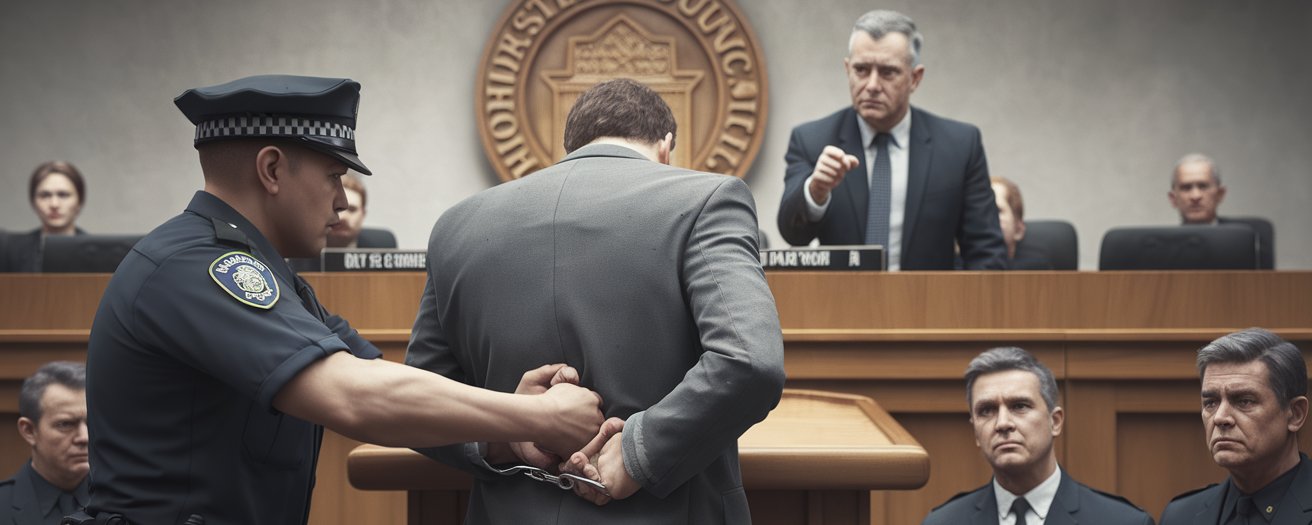
The situation further escalated, resulting in McDonough's arrest for disorderly conduct and his forcible removal from City Council meetings.
The Legal Challenge: Navigating the Public Forum Maze
Determined to fight back, McDonough filed a lawsuit against the City of Homestead, Sergeant Wright, and the city manager. His claim: his First Amendment rights had been violated when he was removed and then banned from public meetings.
The case wound its way through the legal system, with the district court initially ruling in favor of McDonough, declaring the ban unconstitutional. However, an Eleventh Circuit panel later reversed that ruling, stating that the City had not violated McDonough's rights by banning him from City Hall.
The City, dissatisfied with this outcome, requested a review by the full Eleventh Circuit, known as an en banc review, in response to the panel's ruling in favor of the City.
The En Banc Ruling: A New Framework for Public Discourse
The en banc court made a crucial distinction, reclassifying Homestead City Council meetings as "limited public forums" within which certain restrictions on speech are permissible. This decision means that the City can impose reasonable content-based restrictions on speech at these meetings, provided that they are not based on the speaker's viewpoint.
This reclassification has significant implications. In limited public forums, the government has more latitude to manage the speech that takes place. However, the government cannot discriminate based on viewpoint, a crucial distinction.
The court remanded the case back to the original panel to re-evaluate McDonough's claims under this new framework, setting the stage for a potentially landmark decision on the First Amendment's scope in public forums.
The Unresolved Questions: Balancing Rights and Responsibilities
The McDonough v. City of Homestead case underscores the ongoing tension between the cherished right to free speech and the need for decorum and order in public forums. It serves as a reminder that while the First Amendment protects our right to speak, it does not give us the right to disrupt a public meeting or threaten a public official.
As the case awaits further proceedings, it serves as a reminder that the First Amendment, while a powerful safeguard against government overreach, is also a complex and evolving area of law. Its interpretation has far-reaching implications for how we engage with our government and exercise our democratic rights, particularly when people speak up, the government should listen, not silence.