
Elon Musk: The Master of Efficiency and the Case for Government Reform
The Blue Origin Shake-Up: A Wake-Up Call
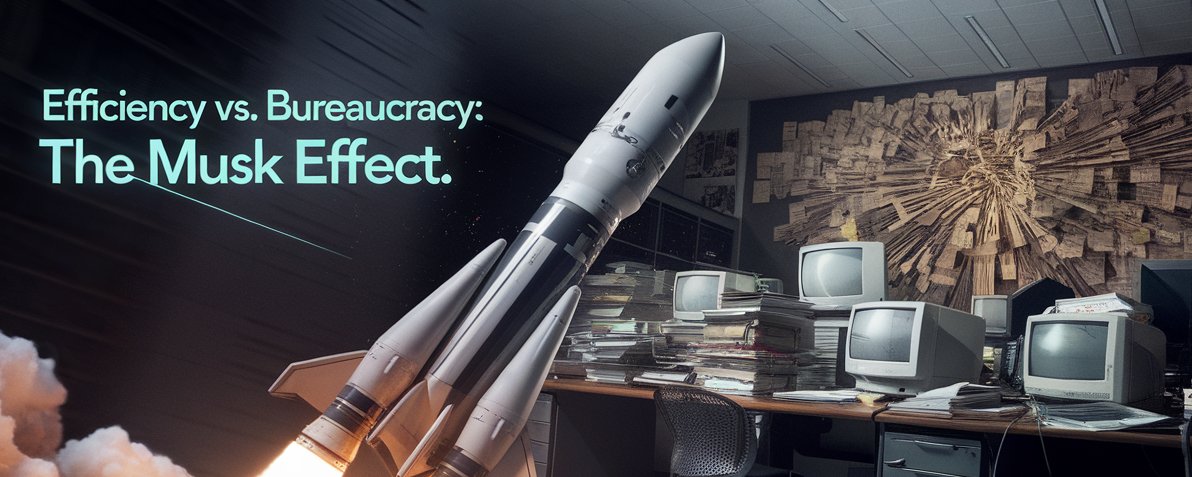
As were many Space Coast residents, I was quite surprised to see the news of the Blue Origin layoffs affecting around 10% of its workforce, which amounts to roughly 1,400 employees. The official rationale cites a need to streamline operations, increase efficiencies, eliminate bureaucratic roadblocks, and remain competitive in an industry where Elon Musk’s SpaceX has already set a high standard for cost-effective launches and reusable rocket technology. This highlights how SpaceX’s efficiency has forced even well-funded competitors like Blue Origin to overhaul their operations just to remain viable, setting a compelling tone for the broader conversation on innovation and efficiency in aerospace.
Blue Origin’s move to recalibrate its operations reflects a broader truth in today’s aerospace landscape: companies are forced to evolve or risk irrelevance. As CEO Dave Limp pointed out, the layoffs aim to “thin out layers of management” and speed up production to compete with SpaceX. But the real story here isn’t just about layoffs—it’s about the efficiency revolution that Elon Musk has spearheaded across multiple industries.
The Musk Playbook: Relentless Efficiency
What truly sets Elon Musk apart is his unwavering commitment to operational excellence and relentless cost-cutting. At SpaceX, Tesla, and even in ventures like his theoretical Department of Government Efficiency (DOGE), Musk has demonstrated an almost obsessive drive to eliminate waste.
At Tesla, for example, he championed automation and single-piece casting in Gigafactories to slash production time and expenses. His decision to eliminate trivial perks—like free cereal in the office—might sound petty, but it signals a larger philosophy: every cent matters. It’s this laser focus on efficiency that allowed Tesla to survive its "production hell" period while launching the mass-market Model 3.
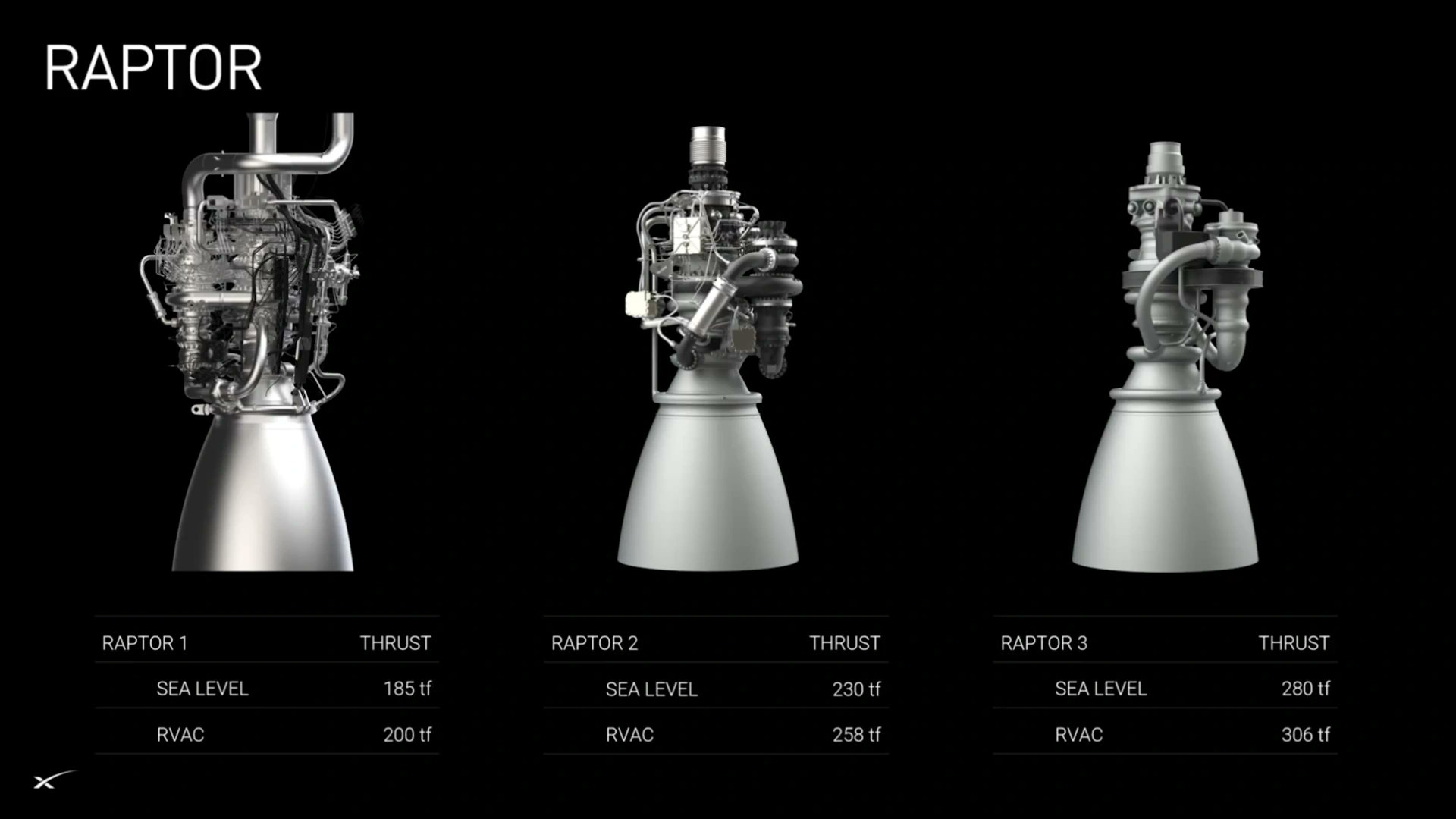
SpaceX, however, is where Musk’s efficiency ethos shines brightest. By challenging suppliers to dramatically reduce costs and bringing production in-house, Musk slashed the Falcon 9 development costs to a fraction of traditional aerospace standards. Central to this success has been SpaceX’s rocket engine evolution. From the Merlin engines powering the Falcon 9 to the groundbreaking Raptor engines driving the Starship, each iteration reflects Musk’s philosophy of relentless improvement. The Raptor, for instance, uses methane as fuel—a decision that reduces costs, increases efficiency, and simplifies long-term missions like Mars colonization. These advancements, coupled with reusable rocket technology long dismissed as impractical, became a cornerstone of SpaceX’s success. This commitment to rapid iteration and bold decision-making allowed SpaceX to surpass entrenched competitors, setting a new benchmark for the industry.
Efficiency vs. Bureaucracy: Lessons from Musk's Leadership
Musk’s efficiency-first philosophy isn’t limited to engineering feats. His leadership style—which some might describe as brutal—extends to organizational structures. One of the most striking examples of this was his acquisition of Twitter (now X). After purchasing the platform, Musk reduced the workforce by approximately 80%, retaining only the most essential employees while allowing the platform to continue functioning. This radical downsizing shocked many observers, but Musk’s strategy didn’t stop there. He selectively brought back key personnel as needed, ensuring the company operated with only the resources and expertise it truly required.
Critics often point to the chaos these decisions can generate, from temporary operational disruptions to high employee turnover. Yet Musk’s track record suggests these are calculated risks. The resulting lean culture often accelerates innovation, reduces costs, and ensures his companies remain laser-focused on their goals. In Musk’s world, inefficiency is the true enemy.
Why Musk Could Transform Government
This no-nonsense approach to cutting waste is precisely why proponents argue that Musk is the perfect candidate to spearhead government reform. Under his leadership at DOGE—a hypothetical Department of Government Efficiency—he’d bring private-sector rigor to federal operations. Musk has already spoken publicly about the potential to save trillions in government spending by streamlining processes, eliminating redundant programs, and automating workflows.
For example, Musk’s approach to “legacy system elimination”—a concept he’s applied to projects at Tesla and SpaceX—could revolutionize government IT infrastructure. Legacy systems currently cost billions annually in maintenance and often lead to inefficiencies. Musk’s penchant for implementing AI-based solutions, such as Grok AI for workflow optimization, would modernize outdated bureaucratic processes. This transformation could address systemic delays in areas like Social Security payments, federal contracting, and even regulatory reviews.
Moreover, Musk’s success with cutting costs in non-traditional ways—like removing entire layers of management at SpaceX and instituting flat organizational hierarchies—could drastically improve the speed and quality of decision-making within government agencies. Critics worry about the potential for overreach, but supporters argue that these dramatic measures are necessary in a system riddled with inefficiency.
A Blueprint for Federal Savings
Musk’s vision for DOGE extends beyond eliminating inefficiencies. He has proposed strategies to save taxpayers trillions by reducing the federal workforce in targeted ways. Programs like the Deferred Resignation Program—offering early retirements for redundant roles—mirror Musk’s efforts to trim costs at Tesla while keeping morale intact. These methods, though controversial, could help governments avoid ballooning deficits and refocus resources on critical infrastructure.
For instance, Musk’s data-driven approach to efficiency could lead to massive reductions in procurement costs. At SpaceX, Musk’s insistence on renegotiating supplier contracts saved millions; applied to government defense spending, these tactics could create similar savings. His ability to challenge traditional methods—as seen with SpaceX’s bypassing of third-party vendors—could force federal contractors to adopt more competitive pricing.
A Broader Cultural Shift
Blue Origin’s recent layoffs highlight the broader cultural shift Musk has ushered into the aerospace and tech industries. Efficiency is no longer optional; it’s a prerequisite for survival. Musk’s mastery of cost reduction—from renegotiating supplier contracts to internalizing supply chains—has rippled across sectors, forcing competitors like Blue Origin to adapt or fall behind.
In the federal government, this mindset could translate to significant savings and faster decision-making. But the question remains: Can Musk’s “move fast and break things” ethos work within the constraints of democratic governance? Public institutions, after all, must balance efficiency with accountability and fairness.
The Verdict: Betting on Musk and DOGE
Elon Musk has consistently proven himself as a transformative force across industries. His work with the Department of Government Efficiency (DOGE) underscores his capacity to apply private-sector principles to public administration. By focusing on eliminating redundancies, implementing cutting-edge AI, and embracing rapid iteration, Musk has shown that bold leadership can address even the most entrenched bureaucratic inefficiencies.
Musk’s vision for DOGE includes trillions in potential savings through streamlined processes and innovative workforce strategies, such as the Deferred Resignation Program. His ability to restructure complex systems—from Falcon 9 rockets to Tesla’s production lines—serves as a model for government transformation. If the federal government adopts even a fraction of Musk’s efficiency playbook, the results could be groundbreaking.
I am personally betting on Musk. His record of delivering results—often against overwhelming odds—proves that he has the ability to turn bold ideas into tangible successes. While his "move fast and break things" ethos challenges traditional governance norms, it also offers a compelling solution to systemic inefficiencies. Whether or not Musk’s approach can fully scale to the intricacies of public service remains to be seen, but his history of thriving where others falter makes him a strong choice for this role.
Betting on Musk and his leadership at DOGE isn’t just a wager on efficiency—it’s a commitment to rethinking how government can work smarter, faster, and leaner in the 21st century.